You can contact us with the problem you are having and we will investigate.
Stripe Online Payments
Sellingantiques have now partnered with Stripe card processing to give you a seamless purchase experience of antiques on sellingantiques.
Millions of companies of all sizes use Stripe online to accept payments and is the worlds No.1 payment gateway.
So how does it work: Look for the button in the antique details page to instantly purchase antiques from dealers who have activated Stripe online payments.
You can now easily filter and show antiques that only have this option enabled.
Using this button notifies us immediately that you have purchased this item. Once you have made the payment we will instantly mark it as sold to ensure that no one else can buy it.
Discounts can also be made available.
We are always improving the purchase experience for both buyer and seller and more and more dealers are enabling this option each week.
You are here:HomeAntique FurnitureAntique Whatnots (1)
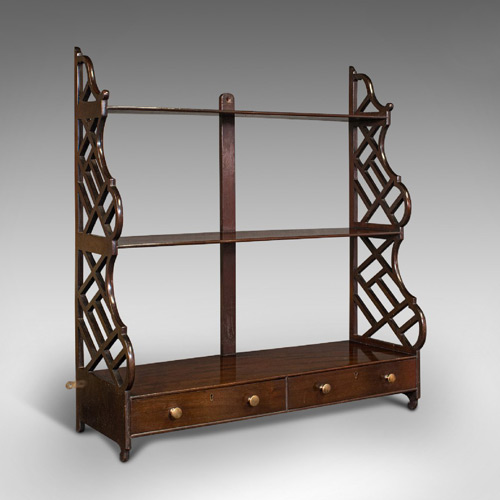
An antique whatnot is a type of small, freestanding shelving unit that was popular in the 19th century. It is characterized by its compact size, multiple shelves, and decorative design. Antique whatnots were primarily used for displaying small decorative objects, books, or
... show more detail curiosities.Here are some key features and characteristics of antique whatnots:1. Design: Antique whatnots are typically made of wood, such as mahogany, walnut, or oak. They often have an open design, consisting of a series of shelves supported by turned or carved columns. The number of shelves can vary, ranging from two to five or more.2. Shelves: The shelves of antique whatnots are usually fixed in position and have a rectangular or square shape. They can be graduated in size, with the top shelf being the smallest and the bottom shelf being the largest. The shelves may feature decorative elements like fretwork, inlays, or brass accents.3. Structure: Antique whatnots are designed to be freestanding, meaning they do not require mounting or wall support. They often have a stable and sturdy construction, with the columns or legs providing support for the shelves.4. Decorative Details: Whatnots are often adorned with decorative details, such as carved motifs, turned columns, or inlaid patterns. These decorative elements add to the overall aesthetic appeal of the piece and reflect the craftsmanship and design trends of the era in which they were made.5. Versatility: Antique whatnots can be used in various rooms and settings. They were commonly placed in living rooms, parlors, or drawing rooms to display small decorative objects, books, or curiosities. Today, whatnots can also be used in bedrooms, offices, or even bathrooms to provide a space for organizing and showcasing items.6. Size and Proportions: Antique whatnots typically have a compact size, making them suitable for smaller spaces or as accent pieces. However, the dimensions can vary depending on the design and the number of shelves.7. Collectibility: Antique whatnots are highly collectible due to their historical significance and decorative appeal. They offer a glimpse into the past and can be valuable pieces for antique enthusiasts and collectors.Antique whatnots add a touch of elegance and vintage charm to a space. They provide a unique way to display and organize small objects or create a curated collection of items. Whether used as standalone pieces or incorporated into a larger furniture arrangement, antique whatnots serve both functional and decorative purposes, showcasing the craftsmanship and design sensibilities of their time.On SellingAntiques, you can find a great selection of Antique Whatnots! We have 1 items for sale priced from £135 to £135 show less detail




 0
0




Thank you.
Your comment has been sent to Sellingantiques.